OK, so you’ve been riding a while now and you’re finding the limits of your current road bike. You’re look at the upgrade options, and the choice is dizzying. Should you upgrade some parts, or the whole bike? Is it time for carbon? As your favourite local bike shop, we admittedly have a little bit of a vested interest, but ultimately we want you to find the right kit, and be happy with your purchases. Our expertise and experience is here to help you get do that!
To be honest, these days it’s pretty hard to buy a “bad” bike. All the major manufacturers produce quality aluminium frames with enough stiffness for proper power transfer and decent handling. The economical shifting options from Shimano and Microshift are lightyears ahead of even premium spec parts from a matter of years ago. You can pick up an entry-level machine and head straight to your local crit, if you so wish. There is always room for improvement, though.
Frame Material
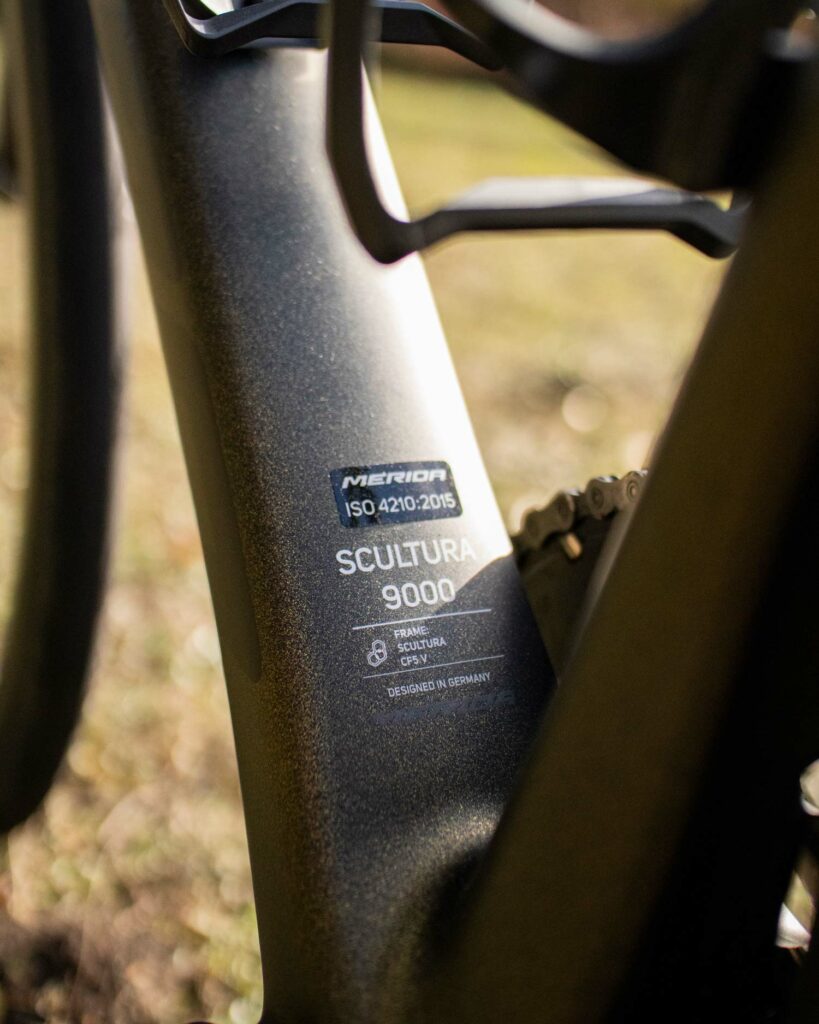
The material of your bike’s frame has a huge impact on the overall ride. In general, more expensive bikes are lighter, which makes climbing and acceleration easier. Making something light without compromising its strength is a more labour-intensive process, hence the higher price!
Many riders move from an aluminium bike to carbon fibre when the time comes for an upgrade. Carbon fibre is a fantastic material for this application. Depending on the way it’s put together, different parts of the frame can be flexible for comfort, or stiff for improved power transfer. It can also be formed into more radically aerodynamic shapes than metal can (without becoming heavy, anyway!). It is also incredibly resilient. Many full-suspension cross-country mountain bikes use carbon chainstays that flex up to 90degrees, instead of a heavier pivot system. Road bikes don’t need this, of course, but the same theories are applied to make sure that your carbon fibre frame will last the distance.
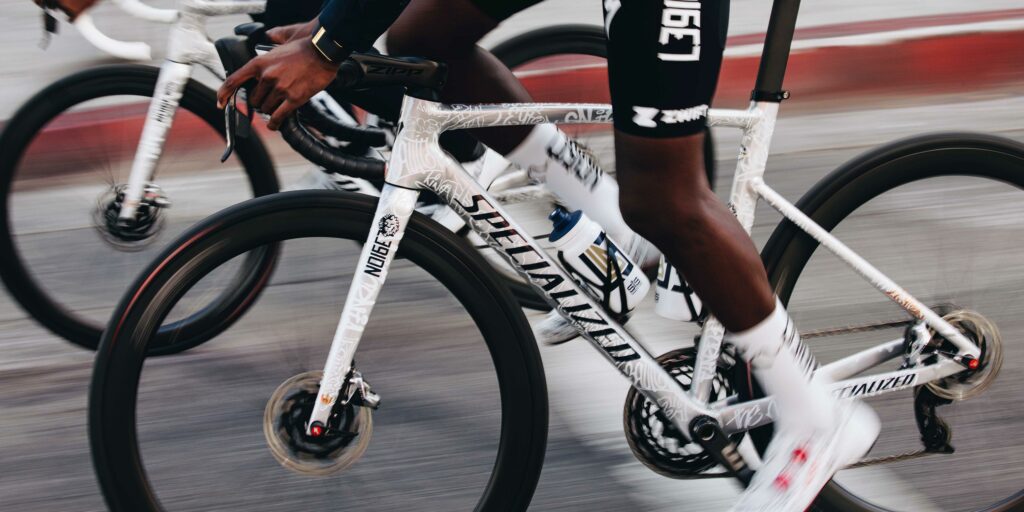
However that doesn’t mean aluminium is solely for the novice rider! Both Specialized and Cannondale offer super-refined aluminium bikes that benefit from the latest advances in tech. The CAAD13 and Allez Sprint are beloved by crit racers, thanks to the extra resilience in crashes (these are a little more common in amateur circuit racing than the average club run). Even if you’re not interested in racing but smashing your PB round Richmond Park is more your aim than all-day outings, these fine bicycles could be just what you need.
Groupsets
As you move through from entry-level bikes to the intermediate and higher-end options, you will see a shift in the groupsets on offer. The monikers, numbers, names and acronyms can be a little overwhelming, so here’s a very basic rundown of the hierarchy from the big three brands:
Shimano
Claris -> Sora -> Tiagra -> 105 -> Ultegra -> Dura Ace
SRAM
Apex -> Rival -> Force -> Red
Campagnolo
Centaur -> Chorus -> Record -> Super Record
In general, more expensive groupsets have more cogs in the cassette (the gear rage at the back), and are constructed from more premium, more costly materials eg. carbon and titanium.
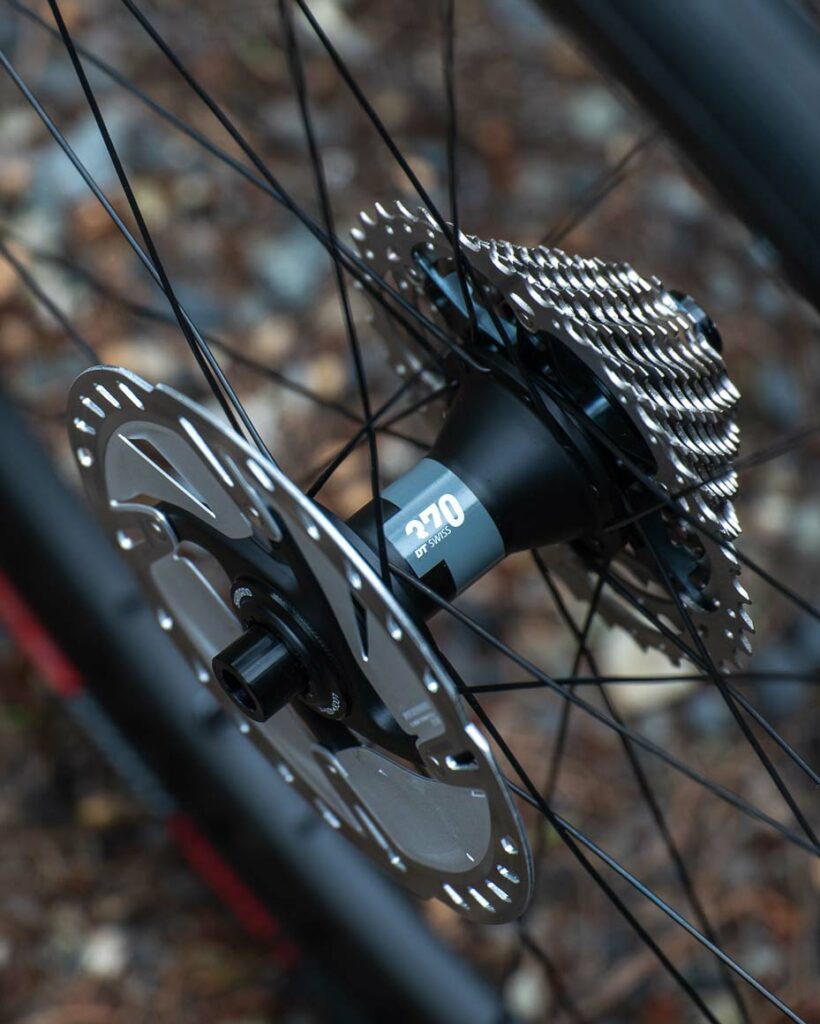
The advantage of more cogs, more steps between your highest and lowest gear, is two-fold. It can provide an increased total gear range, as you may find on an endurance bike. It can also reduce the jump between each gear. This is particularly important for the road rider, who will want to maintain a steady cadence (pedal revolutions per minute) over varying gradients. Smaller jumps between gears means you are able to be more detailed in your gear selection, for a more efficient ride. More efficient means either you’re faster for the same energy, or you maintain the same pace for less energy and can go for longer.
Higher-quality metal, or even carbon fibre, used on the derailleur parts, such as the pulley cage, provides a crisper shift feel, and a more precise shift. This may sound like either total nonsense, or at best something of limited real-world value. However, where this tends to pay off is when the rider is tired. Clumsy shifting can result in a dropped chain or even a crash. The fact that the riding experience is just generally improved is kind of a bonus!
Going beyond a more precise mechanical groupset, we also have the electronic options. Electronic groupsets like Di2 and eTap are becoming more accessible all the time, and are available on many intermediate bikes in contention for a rider’s first upgrade. The shifting from these groupsets is super quick and precise, designing out a lot of human error. The light operation is also fantastic for riders with smaller hands, or anybody who suffers from cramp. Using electronics for the shifting rather than mechanically pulling a cable also reduces how much space is required, creating a smaller lever shape. Often this is more comfortable, and can make a difference in your bike fit too.
Discipline Specialism
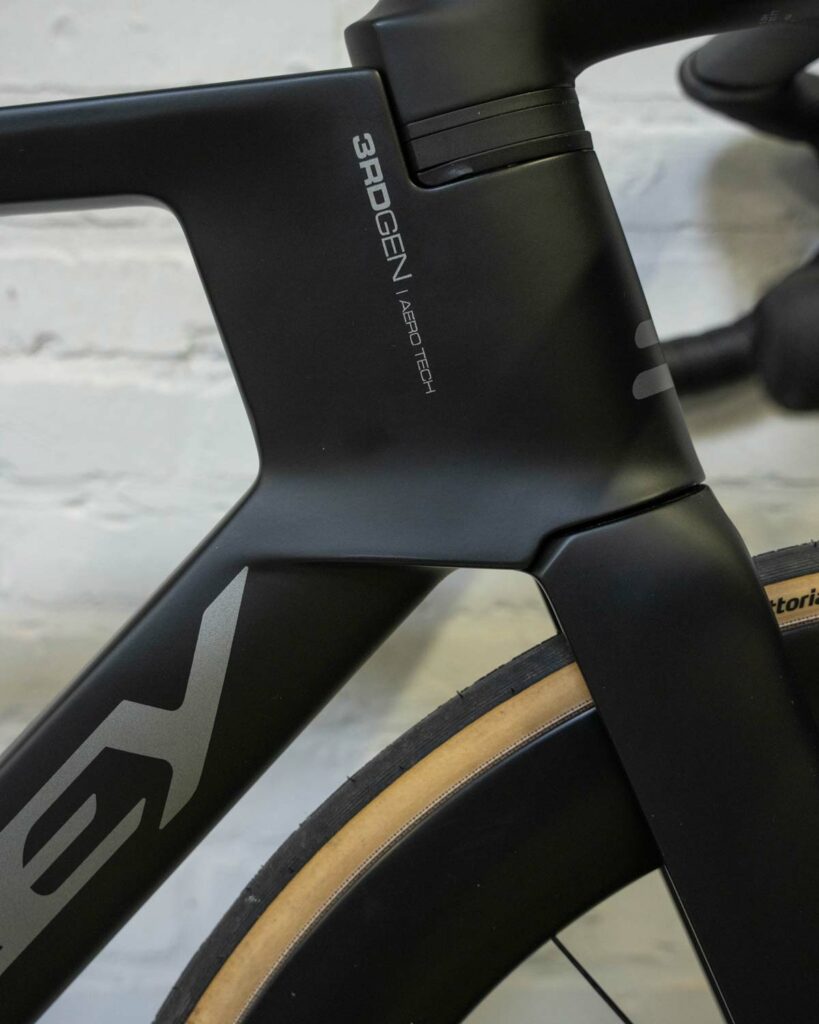
Entry-level bikes, by their very nature, try to please as many people as possible – keeping the RRP down means keeping a lid on the manufacturing cost, so limited variations. Bikes aimed at more experienced riders can take a few more risks in terms of their appeal. Lots of people aren’t interested in an aero bike, for example, but if you know that out-and-out speed is what keeps you interested then look out for those deep ovalised tube shapes.
On the other hand, if you’re gunning for bigger and bigger distances, you should prioritise a slightly more upright riding position and bigger tyre clearance. Likewise, the equipment supplied off the peg on a higher-end bike is more suited to the overall design of the bike. Aero bikes like the [Merida Reacto 6000 Road Bike Blue] or [Ridley Noah Disc 105 Di2 Carbon Road Bike in Glossy Black] come with deep section wheels as standard, for example. Gravel and All-Road bikes like the [Colnago G4X 2x Carbon Gravel Complete Bike Shimano 820 2×12 MYTL] are supplied with a sub-compact chainset to lower the gearing and make unpaved mountain passes that much more passable.
Armed with a few more facts, we hope you’re starting to narrow down the options for your next bike. Drop in to see us to start getting hands-on and take a test ride or two. Alternatively, if you’d like to see how much further you can make your current bike go, book in for a bike fit. There are almost always adjustments, improvements and small upgrades that will hlpe bring your old friend along for the ride as you progress on your cycling career!